
Phytocannabinoids vs. Endocannabinoids

Phytocannabinoids vs. Endocannabinoids
Phytocannabinoids and endocannabinoids are connected through the endocannabinoid system, but they come from different sources. Phytocannabinoids are plant-derived compounds found in hemp and cannabis, while endocannabinoids are compounds produced naturally inside the body.
For professional cannabinoid buyers, the distinction matters because product development uses plant-derived inputs, not endogenous compounds. Understanding the difference helps teams communicate more clearly about ingredients, formulation choices and responsible customer education.
What phytocannabinoids are
Phytocannabinoids include compounds such as CBD, CBG, CBN, CBC, CBDV, THCV and many minor cannabinoids. They are extracted, isolated, purified or blended into ingredients that can be used in oils, cosmetics, water-soluble inputs, capsules, vapes or other commercial formats.
Each phytocannabinoid has its own chemical identity and practical handling requirements. Buyers should evaluate purity, potency, cannabinoid profile, solvent status, contaminant screening, stability and market suitability before moving into production.
What endocannabinoids are
Endocannabinoids are produced by the body and are part of internal signalling processes. They are not supplied as commercial hemp ingredients, and they should not be confused with plant-derived cannabinoid inputs used in manufacturing.
The comparison is useful for education, but product decisions still depend on the specific plant-derived material being purchased. A buyer evaluating CBD isolate, CBG isolate, CBN isolate or broad-spectrum distillate needs batch documentation and format-specific testing rather than broad biological explanations.
Why the distinction matters for buyers
- Ingredient identity: Commercial products use phytocannabinoid inputs with defined specifications.
- Documentation: Buyers need COAs, specifications and contaminant testing for each batch.
- Responsible education: Customer-facing content should avoid unsupported biological promises.
- Formulation route: Different cannabinoids behave differently in oils, emulsions, cosmetics and other matrices.
Formulation and sourcing implications
Phytocannabinoid selection affects carrier choice, concentration, sensory profile, stability, packaging and testing requirements. Isolates can offer precise control, while distillates or broad-spectrum inputs may provide a wider cannabinoid profile with more complex quality review.
For B2B buyers, the correct question is which cannabinoid input supports the intended product route. That means comparing commercial objectives with documentation, compliance, MOQ, lead time and repeat-supply reliability.
Responsible claim language
Education around the endocannabinoid system should be handled carefully. Internal product teams may use scientific context to understand why cannabinoids are commercially interesting, but labels and marketing materials must remain aligned with the applicable rules for the product category and country.
Pharmabinoid can support buyers with ingredient comparison, documentation review and product-development discussions. Final claim language should always be reviewed before launch.
Related resources
Explore CBD products, CBG products, CBN products and benefits of cannabinoids.
Commercial approval workflow
Professional cannabinoid purchasing usually involves several teams: commercial, quality assurance, regulatory review, production and logistics. Aligning these teams early reduces delays between sample interest, quotation approval and the first production order.
Clear briefs also improve supplier recommendations. When buyers share market, format, concentration, packaging and documentation needs, the response can move directly toward suitable materials and realistic next steps.
Documentation package to prepare
A useful documentation package may include a certificate of analysis, specification sheet, batch reference, contaminant screening, storage guidance and product description. Finished products may also require ingredient information, label-support details and packaging data.
The correct package depends on product category and destination market. Buyers should confirm whether internal quality teams, distributors or import partners need additional information before shipment or launch.
Sample review and scale-up planning
Sample review should test more than appearance. Buyers can evaluate handling, sensory profile, formulation behaviour, storage needs, compatibility with packaging and whether the available documentation supports commercial approval.
After sample approval, scale-up planning should confirm MOQ, lead time, batch size, reserve options, reorder timing and release testing. This creates a stronger route from initial evaluation to repeat supply.
Internal questions before approval
- Which country and product category are being targeted?
- What cannabinoid profile, concentration and format are required?
- Which documents are mandatory for quality or distributor approval?
- What timeline is realistic for sampling, review, purchase and launch?
- Who owns compliance review, label approval and reorder planning?
Working with Pharmabinoid
Pharmabinoid can support the process with ingredient comparison, sample selection, documentation review, testing discussions, formulation guidance and commercial supply planning. The most efficient route starts with a concise buyer brief and a clear description of the intended market.
For complex projects, the team can help compare standard materials with custom or private-label options. That makes it easier to choose a route that is technically realistic, commercially sensible and easier to document.

Free Sample
Discover the benefits of our products firsthand by visiting our website to obtain your exclusive TryPharma code. When you place an order using this special code, not only will you secure your desired products, but we will also include a complimentary sample with each purchase. This opportunity allows you to experience the quality of our offerings before you commit to the main shipment. Our goal is to ensure that you are completely satisfied with your selection, and this process provides a risk-free way to explore our extensive range of products. Contact us today to get started and take the first step towards a rewarding experience with our premium offerings.

Shipping Insurance
When you purchase bulk CBD isolates, oils, and other products from us, your shipment is fully insured by us at no additional cost to you. We utilize reputable shipping companies like FedEx and UPS for transportation, while managing the insurance coverage ourselves to secure every shipment from our warehouse to your doorstep. At TryPharma, we are committed to fostering business growth by offering a risk-free wholesale service. In the unlikely event of a shipping issue, we guarantee a refund within five business days from the date the incident is confirmed. Our comprehensive approach effectively eliminates 99.9% of all potential risks associated with bulk CBD shipping, ensuring your complete peace of mind.

30 Day Return
We invite you to test the complimentary sample included with your order before opening the main shipment. If the quality does not meet your expectations, you can benefit from our 30-day return policy. This policy permits you to return the product within 30 days for a full refund, guaranteeing your complete satisfaction. Contact us today to explore our exceptional range of products and experience our dedicated customer service.
Cannabinoid Isolates
-
CBD Isolate - Cannabidiol
Regular price From €24.99 to €369.99Regular priceUnit price per€0.00Sale price €24.99 -
CBG - Cannabigerol
Regular price From €49.99 to €799.99Regular priceUnit price per€0.00Sale price €49.99 -
CBN - Cannabinol
Regular price From €79.99 to €1,299.99Regular priceUnit price per€0.00Sale price €79.99 -
CBC - Cannabichromene
Regular price From €99.99 to €1,999.99Regular priceUnit price per€0.00Sale price €99.99 -
CBDV - Cannabidivarin
Regular price From €13.99 to €3,149.99Regular priceUnit price per€0.00Sale price €13.99 -
Cannabicitran Isolate - CBT
Regular price From €49.99 to €4,349.99Regular priceUnit price per€0.00Sale price €49.99 -
Cannabidiolic Acid - CBDA
Regular price From €49.99 to €1,499.99Regular priceUnit price per€0.00Sale price €49.99 -
Cannabigerolic Acid - CBGA
Regular price From €59.99 to €1,749.99Regular priceUnit price per€0.00Sale price €59.99


Collections
-
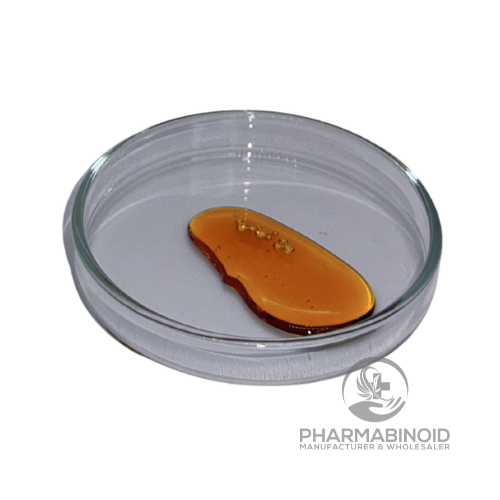
Psychoactive Extracts
Psychoactive Extracts – Wholesale Buyer Guide Psychoactive Extracts brings together specialist cannabinoid...
-
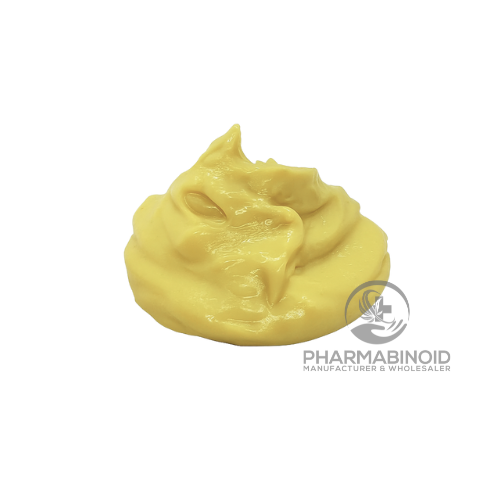
CBD Cosmetics
CBD Cosmetics – Wholesale Buyer Guide CBD Cosmetics brings together CBD cosmetic...
-
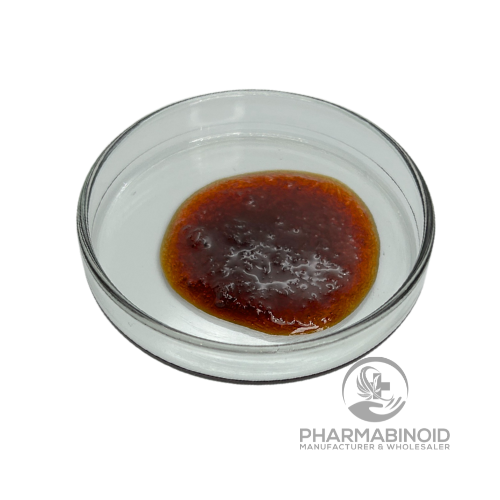
CBD Distillates
CBD Distillates – Wholesale Buyer Guide CBD Distillates brings together product options...




Blog posts
View all-

Water Soluble Cannabinoids for Drinks: Formulat...
Water Soluble Cannabinoids for Drinks are designed to solve one of the biggest technical challenges in beverage development: cannabinoids are naturally lipophilic, meaning they do not mix easily with water....
Water Soluble Cannabinoids for Drinks: Formulat...
Water Soluble Cannabinoids for Drinks are designed to solve one of the biggest technical challenges in beverage development: cannabinoids are naturally lipophilic, meaning they do not mix easily with water....
-

Water Soluble CBD vs CBD Oil: Key Differences f...
Water Soluble CBD vs CBD Oil is a common comparison for formulators, brands, and buyers who want to understand how CBD behaves in different product formats. The main difference is...
Water Soluble CBD vs CBD Oil: Key Differences f...
Water Soluble CBD vs CBD Oil is a common comparison for formulators, brands, and buyers who want to understand how CBD behaves in different product formats. The main difference is...
-

Water Soluble CBD Effects: Bioavailability, Ben...
Water Soluble CBD effects are best understood through formulation science rather than marketing hype. CBD itself remains a lipophilic cannabinoid, meaning it naturally prefers oils and fats over water. A...
Water Soluble CBD Effects: Bioavailability, Ben...
Water Soluble CBD effects are best understood through formulation science rather than marketing hype. CBD itself remains a lipophilic cannabinoid, meaning it naturally prefers oils and fats over water. A...


