


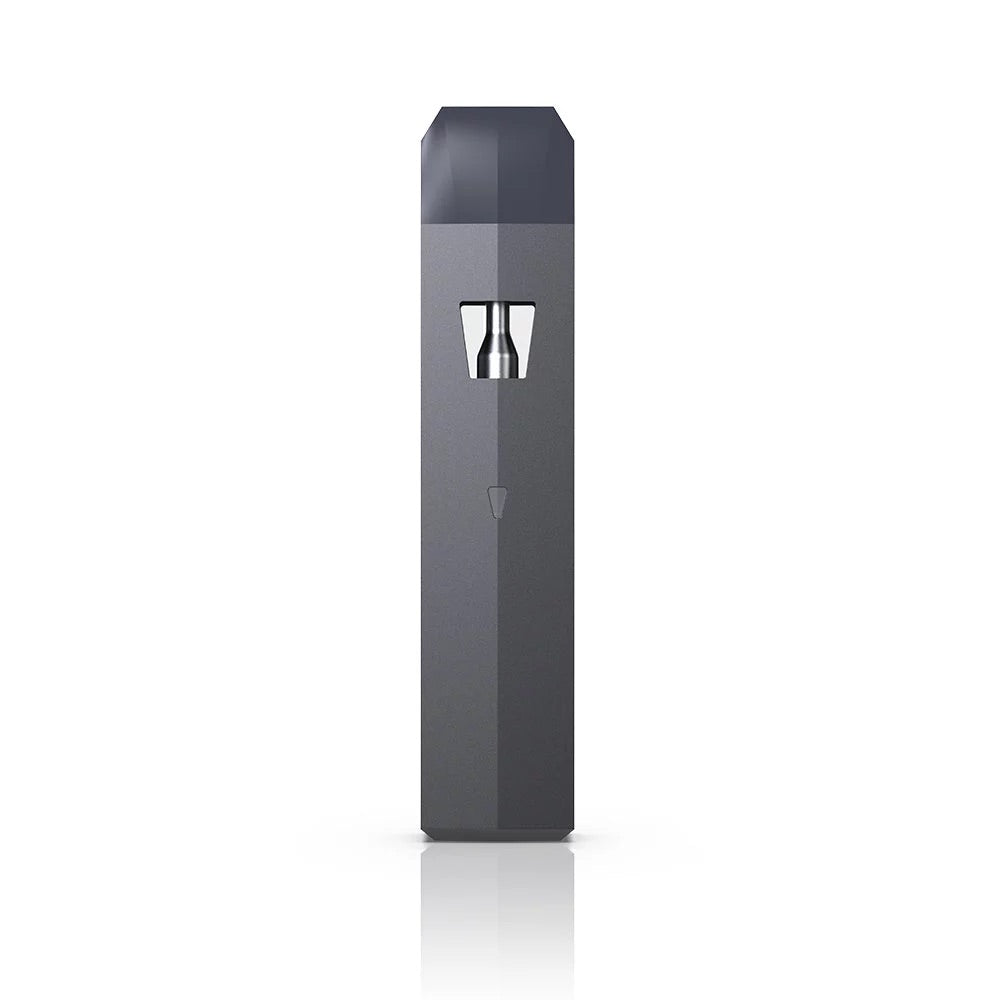
CCELL - Vape Pen gives controlled-channel buyers a vape-related format for specialist cannabinoid product development. Buyers should review formulation stability, hardware compatibility, potency, documentation, and local market rules before approval.
A strong product decision starts with the specification. Buyers should review the cannabinoid profile, batch documentation, intended application, product category and the regulatory assumptions behind the final product. This is especially important for brands selling across multiple European markets, where the same ingredient can require different checks depending on product format and claim language.
How to evaluate quality
- Batch documentation: request a certificate of analysis and make sure it matches the batch being supplied.
- Potency and profile: review the cannabinoid profile, not only the headline percentage.
- Contaminant controls: assess residual solvents, heavy metals, pesticides, microbiology or other tests where relevant.
- Formulation fit: check whether the product works with the intended carrier, packaging and finished-product format.
- Market route: confirm whether the product is intended for cosmetic, technical, research, white-label or another compliant route.
Commercial use cases
Professional customers may consider Vape Pens for product development, portfolio expansion, white-label concepts, cannabinoid formulation work or technical sampling. The right use case depends on the target market, customer expectation and documentation standard. Pharmabinoid’s role is to help connect product selection with realistic commercial execution, not to make unsupported health promises.
Useful internal resources include CBD vapes, CBD vape studies, contact Pharmabinoid. These links help buyers compare the product with related cannabinoid education, category resources and support options before requesting pricing or placing an order.
Compliance and responsible wording
Cannabinoid products should be positioned carefully. Avoid medical claims unless they are specifically authorised in the target market, and do not assume that one country’s approach applies across Europe. The safest commercial content explains composition, documentation, intended use and limitations clearly. This protects the buyer, the end customer and the long-term trust of the Pharmabinoid brand.
For broader scientific and regulatory context, review WHO cannabidiol review alongside batch-specific testing, supplier documentation, and market-specific legal advice.
Questions to ask before ordering
- Which finished product will this ingredient or product support?
- What concentration, quantity and documentation are required?
- Which country or countries will the final product target?
- Does the project require formulation, packaging, white-label or regulatory support?
- What information will customers need to use or understand the product responsibly?
Practical checks before ordering
Before choosing CCELL - Vape Pen, compare the intended application, purity documentation, batch consistency and storage requirements. Professional buyers should always check whether the material fits their product concept, local rules and customer expectations before moving from sampling to a larger order. Clear documentation, responsible handling and realistic product positioning matter more than broad claims. When a cannabinoid ingredient is evaluated carefully, it becomes easier to brief formulation teams, plan packaging language, prepare quality files and avoid confusion later in the launch process.
Related sourcing context
Bring CBD packaging collection and CBD Packaging Guide Quality Compliance and Traceability into the ccell vape PEN commercial review to help buyers evaluate the product in a broader sourcing context.


Free Sample
Discover the benefits of our products firsthand by visiting our website to obtain your exclusive TryPharma code. When you place an order using this special code, not only will you secure your desired products, but we will also include a complimentary sample with each purchase. This opportunity allows you to experience the quality of our offerings before you commit to the main shipment. Our goal is to ensure that you are completely satisfied with your selection, and this process provides a risk-free way to explore our extensive range of products. Contact us today to get started and take the first step towards a rewarding experience with our premium offerings.

Shipping Insurance
When you purchase bulk CBD isolates, oils, and other products from us, your shipment is fully insured by us at no additional cost to you. We utilize reputable shipping companies like FedEx and UPS for transportation, while managing the insurance coverage ourselves to secure every shipment from our warehouse to your doorstep. At TryPharma, we are committed to fostering business growth by offering a risk-free wholesale service. In the unlikely event of a shipping issue, we guarantee a refund within five business days from the date the incident is confirmed. Our comprehensive approach effectively eliminates 99.9% of all potential risks associated with bulk CBD shipping, ensuring your complete peace of mind.

30 Day Return
We invite you to test the complimentary sample included with your order before opening the main shipment. If the quality does not meet your expectations, you can benefit from our 30-day return policy. This policy permits you to return the product within 30 days for a full refund, guaranteeing your complete satisfaction. Contact us today to explore our exceptional range of products and experience our dedicated customer service.